OKE Cost Optimization
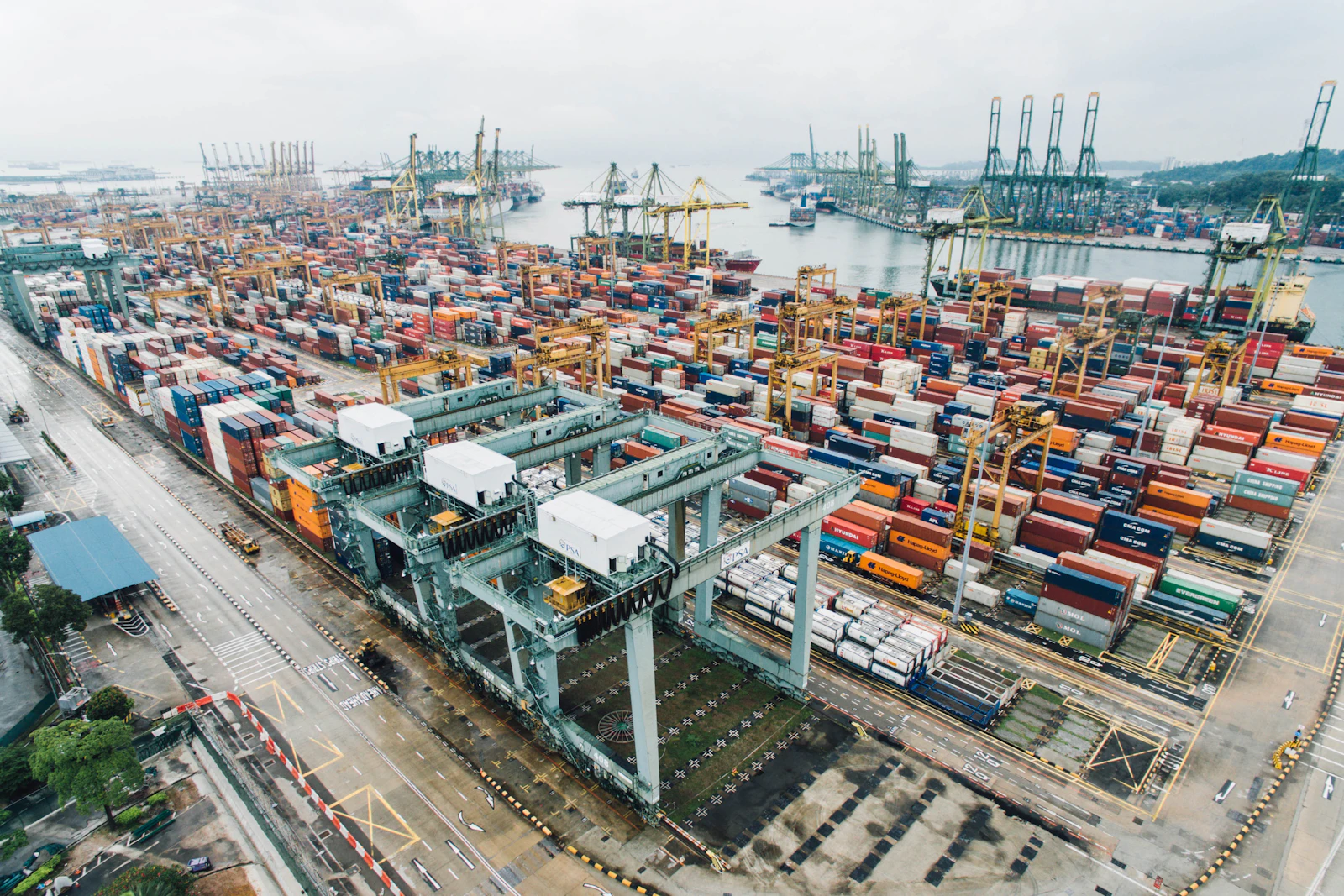
Kubernetes makes it easy to spend money. A few generous resource requests, an autoscaler that never scales down, a handful of idle clusters and a pile of orphaned volumes, and the OKE bill quietly drifts well past what the workload actually needs. The good news is that container spend is one of the most addressable areas on an OCI invoice, because the waste is usually structural rather than mysterious. This guide walks through where OKE cost goes and how to bring it back under control without starving the workloads that matter.
It is part of our OKE and containers series and builds on the scaling behaviour described in autoscaling OKE workloads.
Where OKE cost actually comes from
The OKE control plane itself is free on the basic tier, so almost all of your spend is the infrastructure underneath the cluster. That breaks down into worker node compute, block and file storage, load balancers, networking and data egress. Compute is nearly always the largest line, which is why most savings work starts with the nodes. Understanding the split matters, because teams often chase small storage savings while a fleet of oversized nodes runs half empty next door.
| Cost driver | Typical share | Main lever |
|---|---|---|
| Worker node compute | Largest | Right sizing, bin packing, scale to zero |
| Block and file storage | Moderate | Reclaim orphans, right tier |
| Load balancers | Small but steady | Consolidate ingress |
| Data egress | Variable | Keep traffic in region and in VCN |
Right size requests and limits first
The single biggest source of OKE waste is the gap between what pods request and what they actually use. Kubernetes schedules on requests, not on real usage, so a pod that requests two cores but uses a tenth of one still reserves two cores worth of capacity on a node. Multiply that across a fleet and you are paying for compute that does nothing. Measure real usage with metrics, then set requests close to the genuine working set with enough headroom for spikes. This one discipline often recovers a large fraction of a cluster's cost.
Pack nodes efficiently
Once requests are honest, the next question is how well pods pack onto nodes. A node that runs at thirty percent utilisation is mostly wasted money. Choosing node shapes that match your pod profile, using fewer larger nodes where workloads allow, and letting the cluster autoscaler remove underused nodes all improve packing. The flexible shapes on OCI compute let you tune the ratio of cores to memory to the workload, which avoids paying for memory you never touch or cores that sit idle next to memory bound pods.
Use the cluster autoscaler to scale down
Scaling up under load is the easy half. The savings come from scaling back down when load falls, and this is where many clusters fail. If the autoscaler is configured to add nodes but never remove them, you keep peak capacity around the clock. Make sure scale down is enabled, that pods are not blocking eviction with restrictive disruption budgets, and that node groups can shrink toward a sensible minimum overnight and at weekends. The behaviour of these controls is covered in autoscaling OKE workloads.
Reclaim orphaned and oversized storage
Storage waste is quieter than compute but just as real. Persistent volumes left behind when workloads are deleted, snapshots nobody tracks, and volumes provisioned on a higher performance tier than the workload needs all add monthly cost. Audit block and file storage regularly, delete what is genuinely orphaned, and match the performance tier to the actual requirement. The mechanics of provisioning are explained in persistent storage on OKE, and the same discipline applies to keeping that storage lean.
Consider preemptible capacity for the right workloads
Preemptible instances cost much less than standard capacity, and for fault tolerant, stateless or batch workloads that can absorb an occasional node reclaim, they are an obvious win. The trade is that the platform can reclaim the capacity with short notice, so they suit jobs that can restart cleanly rather than long lived stateful services. Mixing a preemptible node pool for batch and a standard pool for the always on tier gives you the savings where they are safe and stability where it counts.
Watch networking and egress
Data egress and cross region traffic can surprise teams that assume the network is free. Keeping chatty services in the same region and the same virtual cloud network, avoiding needless trips out to the internet, and consolidating load balancers rather than creating one per service all trim the network line. The routing choices that drive this are covered in OKE networking explained and ingress and load balancing on OKE.
An OKE cost optimization framework
- Make requests honest. Set CPU and memory requests close to measured usage with sensible headroom.
- Pack tightly. Choose shapes that fit the pod profile and let the autoscaler remove underused nodes.
- Enable scale down. Confirm nodes actually shrink off peak, not just grow under load.
- Reclaim storage. Delete orphaned volumes and match tiers to need.
- Use preemptible capacity for fault tolerant and batch work.
- Mind the network. Keep traffic in region and consolidate load balancers.
- Review continuously, because clusters drift back toward waste without attention.
Make it continuous, not a one off
The hardest part of cost optimization is that it does not stay done. New services arrive, requests get copied from old templates, autoscaler settings drift, and storage accumulates. A cluster optimised this quarter will be wasteful again in two if nobody watches it. Build cost review into the regular operating rhythm, surface utilisation and waste on a dashboard the team actually looks at, and treat sustained efficiency as an ongoing practice rather than a project. This is exactly the kind of work our cost optimization practice runs on a fee paid only on verified savings.
Bringing it together
OKE cost optimization is mostly about honesty and discipline. Honest resource requests, tight node packing, working scale down, lean storage and a watchful eye on the network recover the great majority of avoidable spend. None of it requires exotic tooling, just attention and the willingness to keep at it. Continue with autoscaling OKE workloads, persistent storage on OKE and monitoring OKE with OCI tools to put the measurement in place that makes all of this possible.
Free white paper
Go deeper on this topic with The OCI Cost Optimization Framework, how to find, verify, and lock in OCI savings. An independent analyst style report with comparison tables and recommendations, free with a work email. Prefer a monthly summary instead? The OCI Brief delivers one practical OCI briefing a month.
Part of a series
This guide is part of Kubernetes & DevOps on OCI — our complete pillar guide on the topic.
Moving Oracle workloads to OCI, or already running on OCI and not sure the architecture or the spend is right? Most teams bring in a specialist before they commit to a region, a shape, or a Universal Credits number. OCISpecialists.com plans the landing zone, runs the migration, and manages the estate after go live, on a fixed project fee, a managed monthly retainer, or a cost optimization fee paid only on verified savings.