Observability & Management

Observability and management that turns OCI signals into action.

Dashboards nobody reads do not prevent outages. We build the OCI observability and management layer so the right people see the right signal early, and act on it.

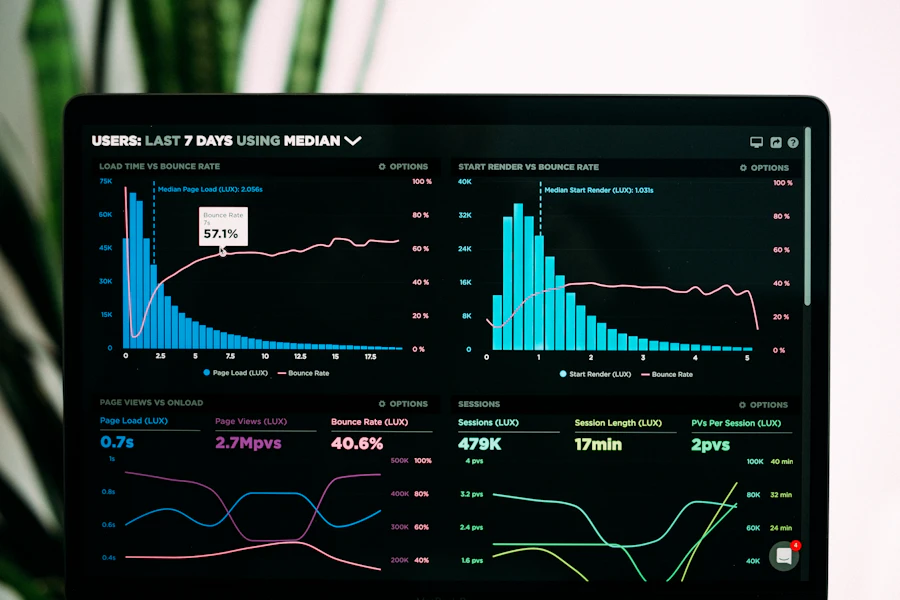
Analyst reviewing performance dashboards on a large monitor
Overview

The short version.

OCI ships a capable set of management and observability tools. Monitoring, Logging, Logging Analytics, Application Performance Monitoring, and Operations Insights all exist. The gap is rarely the tooling. It is configuration, tuning, and the discipline to act on what the tools surface.

We build the observability layer end to end, tune alerts so they mean something, and connect the signals to people who can respond. The same layer feeds capacity and cost decisions, so management and observability stop being two separate efforts.
Capabilities

What we do here.

Metrics and alarms

OCI Monitoring with alarms tuned to remove noise and surface genuine degradation.

Centralized logging

Logging and Logging Analytics capturing, searching, and retaining the logs that matter.

Application tracing

Application Performance Monitoring and distributed tracing for the services that support it.

Operations insights

Capacity and performance analytics so you see trends before they become incidents.

Role based dashboards

Views built for operations, engineering, and leadership, each showing what that audience needs.

Management automation

Patching, scheduling, and routine management handled through OCI management tooling.

Comparison

How the options compare.

The OCI observability stack has distinct tools for distinct signals. Using the right one keeps cost and noise down.

ToolSignalUse it for
MonitoringMetrics and alarmsReal time health and threshold alerting
Logging AnalyticsLogs at scaleSearching, correlating, and retaining log data
APMTracesEnd to end latency and application errors
Operations InsightsCapacity trendsForecasting database and resource demand
An alert that fires on everything is the same as an alert that fires on nothing. Tuning is the whole job.
Method

How we approach it.

  • Define the signals that actually predict trouble for each workload.
  • Instrument metrics, logs, and traces against those signals.
  • Tune alert thresholds until every alert is worth acting on.
  • Build dashboards for each audience, not one dashboard for all.
  • Connect alerts to a response process, not just a screen.
40%
average OCI spend reduction after optimization
500+
OCI engagements delivered
24/7/365
managed monitoring and support
20+
years combined Oracle experience
Related

Where this connects.

Service

Monitoring & Observability

Run the observability layer as a monthly managed retainer.

See the service
Service

Managed Services

Full estate run, with observability built in.

See managed services
Solution

Cost Governance

The same signals feed capacity and spend decisions.

See cost governance

Put this to work on your estate.

Book an assessment and we will show you what good looks like for your workloads, in writing, with a clear price.